Piggy Doggy: A Playful Typeface for Whimsical Branding
There’s a certain magic that happens when a design feels approachable. It’s not about complexity or grandeur, but about an instant, friendly connection that puts a viewer at ease. This is the exact feeling that Piggy Doggy, a charming display font, aims to evoke. Its doodle-like aesthetic and cartoon vibe aren't just cute; they're a strategic tool for any creator or business looking to inject warmth, personality, and a relaxed touch into their visual identity. If your projects need a voice that’s more "welcome to my world" than "look at me," this typeface deserves a closer look.
The Visual Language of a Friendly Typeface
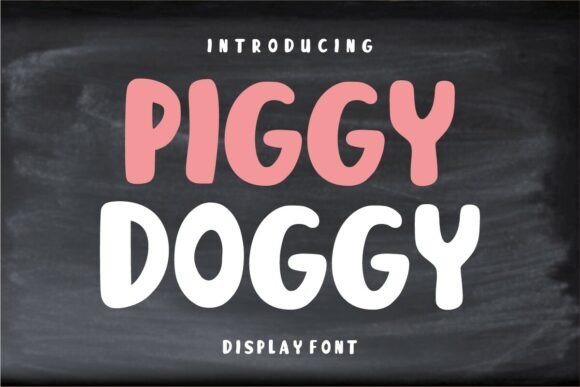
At its core, Piggy Doggy is a display font, meaning it’s crafted for impact in headlines, logos, and short text blocks rather than long-form reading. Its character is defined by soft, rounded edges, slightly irregular baselines, and a hand-drawn quality that avoids looking sterile or overly digital. Think of the friendly, imperfect lines of a doodle in a notebook—this font carries that same organic energy. This style falls into the broader category of handwritten fonts or cartoon fonts, but its specific balance of simplicity and whimsy sets it apart. It doesn’t scream for attention with wild flourishes; instead, it wins you over with its gentle, approachable demeanor.
What makes this creative font so visually appealing is its versatility within its niche. It can be playful without being childish, and casual without feeling sloppy. The letterforms are designed to maintain clarity even at smaller sizes, a crucial consideration for any packaging design or social media graphic where text competes with imagery. The overall effect is a typeface that feels human-made and relatable, instantly softening the tone of any project it graces.
Where This Doodle-Style Font Truly Shines
The real test of a premium font is its application. Piggy Doggy isn’t a one-trick pony; its relaxed vibe makes it a surprisingly versatile design asset across numerous fields. For small business owners and entrepreneurs, it’s a secret weapon for building a brand identity that feels personal and trustworthy. Imagine a local bakery’s logo, a children’s boutique’s product tags, or a wellness coach’s social media quotes—this font injects immediate personality.
- Logo Design & Branding: It creates a memorable mark for brands in lifestyle, food, children’s products, pet care, or artisanal goods. It communicates a hands-on, caring approach.
- Packaging Design: On a label for organic snacks, handmade soaps, or craft supplies, it enhances the perception of a small-batch, quality product. It makes the item feel special before it’s even opened.
- Social Media Graphics & Marketing: For Instagram stories, Pinterest pins, or Facebook ads, it captures attention with a friendly vibe. It’s perfect for quotes, announcements, and call-to-action text that doesn’t feel pushy.
- Invitations & Event Materials: From birthday party invites to wedding save-the-dates for a casual celebration, it sets a joyful, informal tone right from the envelope.
- Merchandise & Printables: T-shirts, tote bags, stickers, and posters benefit from its graphic, eye-catching nature. It’s a commercial font that translates beautifully to physical products.
- Web Design & Blogs: Used strategically for headlines, sidebars, or navigation menus on a blog or website, it can break up visual monotony and guide the reader’s eye with a touch of charm.
The key is to use it where a human touch is the goal. It’s not the font for a law firm’s annual report, but it’s perfect for the blog of a creative entrepreneur or the menu of a cozy café.
Smart Typography: Pairing and Practical Use
Even the most characterful typeface needs companions. The art of font pairing is essential for achieving both visual interest and readability. Piggy Doggy, as a strong display font, works best when paired with a clean, neutral counterpart for body text. A simple sans serif font like Open Sans, Lato, or Montserrat provides excellent contrast, allowing the playful headings to pop without overwhelming the reader. For a slightly warmer feel, a gentle serif font like Lora or Merriweather can also create a pleasing hierarchy.
Before committing, always test your pairings. Does the body text remain legible at small sizes on a mobile screen? Does the overall composition feel balanced? Piggy Doggy typically comes with multiple styles—often including regular, bold, and sometimes italic or outline versions. Reviewing these included styles gives you more tools to create emphasis and hierarchy within your designs without needing additional fonts.
A crucial, and often overlooked, step is understanding licensing. If you’re using this for a client project, a product you sell, or a business logo, you need to ensure you have the correct commercial license. Reputable font marketplaces will clearly state the terms. This isn’t just a legal formality; it’s about respecting the craft of the type designer and ensuring your professional presentation is above board.
Building Consistency and Connection
Ultimately, the goal of any brand identity is recognition and connection. A font like Piggy Doggy can be a cornerstone of that effort. By consistently using it for key touchpoints—your logo, your Instagram headers, your email newsletter titles—you create a cohesive visual thread. Customers begin to associate that friendly, doodle-like aesthetic with your brand’s personality: approachable, creative, and genuine.
This consistency improves professional presentation by making your materials look intentional and curated. More importantly, it boosts audience engagement. People are drawn to visuals that feel authentic and inviting. A typeface that feels like a friendly sketch rather than a cold corporate font can make your audience more likely to stop scrolling, read your message, and feel a positive affinity toward your brand.
In a digital landscape crowded with sleek minimalism and aggressive maximalism, there’s a powerful space for designs that are simply warm and welcoming. Piggy Doggy provides the typographic voice to occupy that space. It’s not just a font; it’s a tool for storytelling, a way to say, "Hey, we’re happy you’re here," in every headline, label, and social post you create. By matching its cheerful energy with thoughtful application and smart pairing, you can build a visual world that feels both professional and deeply personal.