Black Rought: The Distressed Typeface for Edgy Branding
There’s a specific kind of visual language that speaks volumes without shouting. It’s the worn texture of a vintage concert poster, the gritty feel of a streetwear label, the unapologetic rawness of an indie album cover. Achieving this look often comes down to one critical design choice: typography. A clean, modern sans-serif might convey efficiency, but when your project demands grit, attitude, and a story etched into every letter, you need a typeface with a different kind of history. This is where a distressed display font like Black Rought enters the conversation, offering a tool for designers and creators who want to inject immediate personality and vintage character into their work.
Understanding the Gritty Appeal of Distressed Typography
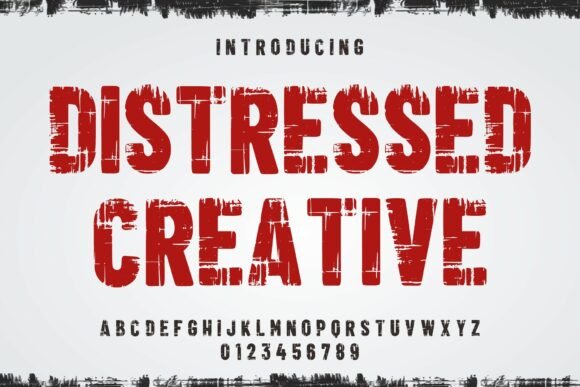
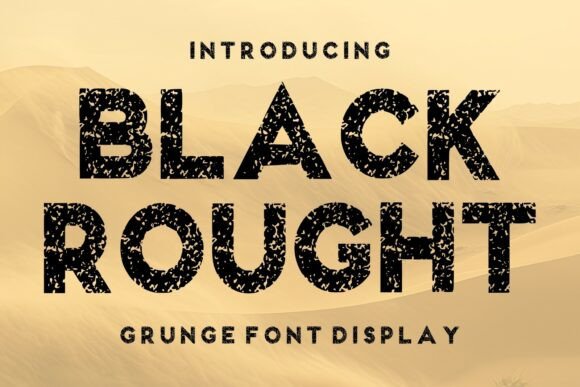
Black Rought isn't just another font; it's a visual texture. Its defining feature is a rough, worn effect applied to each character, mimicking the look of ink pressed onto paper under imperfect conditions or the natural erosion of print over time. This isn't a flaw—it's the entire point. This distressed quality breaks the sterile perfection of digital design, adding a layer of authenticity and tactile depth. The bold, heavy weight ensures it commands attention, making it a prime candidate for headlines and logos where legibility at a glance is paramount. The visual noise of its texture actually enhances its character, creating a rugged and artistic look that feels handcrafted and intentional. For projects aiming to evoke nostalgia, rebellion, or a DIY ethos, this typeface becomes an essential design asset.
Where This Bold Typeface Truly Shines
The practical applications for a font with this much personality are surprisingly diverse. It’s a creative font that thrives in contexts where you want to make an immediate emotional impact. Consider its use in:
- Brand Identity & Logo Design: For a craft brewery, a vintage-inspired clothing line, or a music studio, a logo set in Black Rought can instantly communicate brand values of authenticity and edge. It works powerfully as a standalone wordmark or as part of a larger logo system.
- Packaging Design: On a shelf crowded with minimalist designs, a product label using distressed typography can stand out. Think artisan coffee bags, hot sauce bottles, or specialty snack packaging where the visual texture hints at the raw, bold flavor inside.
- Marketing & Social Media Graphics: A promotional graphic for a live event, a sale announcement, or a motivational quote gains instant energy. The font’s rough edges create visual interest that stops the scroll, making it ideal for Instagram posts, Facebook banners, and YouTube thumbnails.
- Merchandise & Apparel: This is a natural home for Black Rought. From t-shirt prints and hoodie graphics to tote bags and hat embroidery, the font translates exceptionally well to physical products, reinforcing a streetwear or band merchandise aesthetic.
- Posters & Editorial Layouts: Whether for a music festival, a film poster, or a magazine feature spread, using this display font for headlines creates a focal point that sets the entire piece's tone. It pairs well with cleaner body text for a balanced, hierarchical layout.
Strategic Typography for Stronger Brand Recognition
Choosing a font like Black Rought is a strategic decision that goes beyond mere decoration. Consistent use of a distinctive typeface is a cornerstone of building a memorable brand identity. When your audience sees that specific rugged lettering repeatedly across your website, packaging, and social media, it begins to form a recognizable pattern. This builds brand recognition far more effectively than using generic, overused fonts. However, this power comes with responsibility. The very texture that gives it character can impact readability, especially at small sizes or in long blocks of text. The key is to use it strategically—as a headline font, for key logos, or for short, impactful phrases—rather than for body copy. Always test its legibility in the specific context where it will be used, whether on a mobile screen or a printed poster.
Practical Considerations for Implementation
Before integrating any premium font into a project, a few practical steps ensure a smooth workflow and a professional result. First, review the font package thoroughly. Does it include multiple weights or styles? Sometimes a distressed font comes with a clean version or alternate characters, providing more flexibility for font pairing. Next, consider licensing. If the project is commercial—like a client’s logo, a product for sale, or a monetized blog—ensure the font license permits such use. This avoids legal headaches down the line.
Finally, think about pairing. A bold, textured display font like Black Rought rarely works well on its own for an entire design. It needs a counterpart. Pair it with a clean, highly legible serif font or a simple sans-serif for body text, descriptions, or supporting information. This contrast creates visual harmony, allowing the headline font to make its statement without overwhelming the viewer. The goal is a balanced typographic hierarchy where each font plays a specific, complementary role in guiding the viewer's eye and conveying the message.
Making the Right Typographic Choice for Your Project
Not every project calls for a gritty, distressed look. The decision to use a typeface like Black Rought should be driven by your project’s core goals and audience. If you’re designing for a law firm or a medical practice, its aesthetic would likely be misaligned. But if you’re creating for a music label, a skate brand, an independent bookstore with a vintage vibe, or a food truck specializing in bold flavors, this font can be the perfect voice. It helps bridge the gap between a digital file and a physical, tactile experience, adding a layer of narrative to your design. It’s a tool for visual storytelling, one that says your brand has depth, history, and an unapologetic point of view. In a world of polished, interchangeable design, sometimes the most powerful choice is one that embraces the beautiful imperfection of the rough edge.