Force Safety: A Bold Typeface for Commanding Visuals
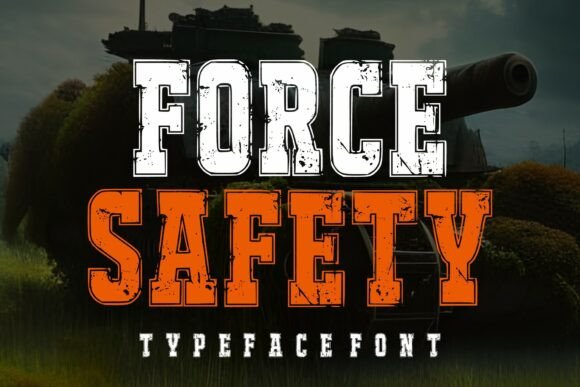
There’s a moment in every design project where the typeface either carries the weight of the concept or completely undermines it. If you are building a brand that needs to stand its ground—something that feels industrial, weathered, and unapologetically bold—you need a font that doesn't just sit on the page but demands attention. Enter Force Safety, a display typeface that captures the essence of vintage machinery and military stencils, offering a distressed slab-serif structure that brings immediate texture and authority to any visual composition.
The Anatomy of a Rugged Typeface
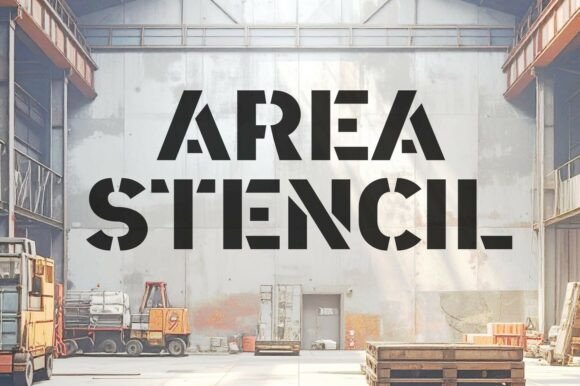
Understanding what makes a font like Force Safety effective starts with its visual DNA. It is a display font, which means it is designed specifically for headlines, titles, and large-scale typography rather than long-form body text. Its structure is defined by thick, blocky serifs and a heavy weight that ensures high visibility even from a distance. However, the defining characteristic here is the "distressed" aspect. Unlike clean, modern sans-serif fonts that prioritize perfection, Force Safety features a rugged, ink-trap texture that mimics the look of worn-out machinery, vintage posters, or stenciled paint on shipping crates.
This texture is vital for modern typography because it adds a layer of history and authenticity. In a digital landscape often dominated by sterile, geometric shapes, a slab-serif font with a grunge finish acts as a visual anchor. It tells the viewer that the content has substance. For designers working on projects that require a "tough" aesthetic—such as extreme sports branding, craft brewery logos, or tactical gear packaging—this typeface provides the necessary visual grit without needing additional graphic overlays or filters.
Practical Applications: Where Force Safety Shines
The versatility of a premium font lies in how well it adapts to different mediums. Force Safety is not just a one-trick pony for posters; it is a robust design asset that can be applied across various touchpoints of a brand’s identity.
Consider the realm of logo design. A logo needs to be memorable and scalable. If you are designing for a construction company, a survival gear brand, or a rock band, a clean script or a delicate serif font might feel out of place. Force Safety, with its commanding presence, creates a logo design that feels established and trustworthy. The distressed edges soften the harshness of the block letters, giving the brand a "lived-in" feel that suggests experience and reliability.
Beyond logos, this typeface excels in packaging design. On a shelf crowded with products, packaging needs to communicate its value proposition instantly. Using Force Safety for the product name—whether it’s a hot sauce, a protein powder, or a hardware tool—creates an immediate association with strength. When paired with a clean sans serif font for the ingredient lists and instructions, the hierarchy becomes clear: the bold display font grabs the eye, while the secondary font delivers the details.
Digital Presence: From YouTube to Web Design
In the digital space, attention spans are short, and the competition for clicks is fierce. This is where the visual impact of Force Safety becomes a strategic advantage for content creators and marketers. For YouTube thumbnails and gaming titles, the font’s distressed texture cuts through the noise. It implies action, danger, or high stakes, which are key drivers for click-through rates in the entertainment and gaming niches. A thumbnail featuring Force Safety in a bright, contrasting color instantly signals to the viewer that the content is dynamic.
For web design, the font serves as an excellent tool for hero sections and landing pages. If you are launching a limited-time sale or a new product drop, using Force Safety for the headline creates a sense of urgency. However, a word of caution on readability: because display fonts are complex, they should rarely be used for body copy. Use Force Safety for the H1 and H2 headers to establish the brand voice, but switch to a legible serif font or sans serif font for the paragraphs to ensure the user can read the content comfortably.
Social media graphics also benefit from this approach. Instagram stories, Facebook ads, and Pinterest pins need to be scroll-stoppers. The "rugged grunge texture" of the font adds a tactile quality to flat screens, making the graphics feel more like physical posters than digital ads. This is particularly effective for marketing assets promoting events, sales, or announcements where a "loud" visual voice is required.
Strategic Typography: Pairing and Consistency
Choosing the right font is only half the battle; the other half is integration. To maintain visual consistency and brand recognition, Force Safety needs to be paired thoughtfully. Because it has a strong personality—reminiscent of vintage military or industrial aesthetics—it requires a partner font that is neutral and clean.
A common mistake in editorial design is pairing two highly decorative fonts together, which results in visual chaos. Instead, look for a geometric sans-serif or a transitional serif. For example, if you are designing a magazine layout or a blog header, use Force Safety for the pull quotes or the main title to add emphasis, and use a font like Roboto, Open Sans, or Garamond for the body text. This contrast creates a dynamic rhythm that guides the reader's eye through the page.
When working on brand identity, consistency is king. The font you choose for your logo should carry over into your print materials—business cards, letterheads, and brochures. Force Safety works exceptionally well on textured paper stocks or materials with a matte finish, as these surfaces complement the font's distressed characteristics. On glossy, high-shine surfaces, the texture might get lost, so always consider the medium when finalizing your design.
Technical Considerations and Licensing
Before incorporating any commercial font into a client project or your own business, it is crucial to understand the technical specs and licensing. Force Safety is a creative font intended for commercial use, but you should always review the specific license included with your purchase.
Most premium fonts come with a license that covers desktop use (logos, print) and sometimes web use (CSS embedding). If you plan to use Force Safety on merchandise like t-shirts, mugs, or hats—which is one of its primary strengths due to its legibility at large sizes—ensure your license covers "print-on-demand" or merchandise production. Some licenses require an extended version for mass production.
Additionally, check the file formats included. A high-quality font package should include OTF (OpenType) or TTF (TrueType) files for desktop installation. If you are using it for web design, you will likely need WOFF or WOFF2 files. While Force Safety is a visual powerhouse, it is not optimized for body text, so you won't need to worry about file size slowing down your website's load time, provided you only use it for headers.
Elevating Your Creative Projects
Ultimately, typography is about communication. It is the tone of voice in your visual language. Force Safety communicates strength, resilience, and a no-nonsense attitude. It is the typographic equivalent of a heavy-duty work boot or a vintage leather jacket—functional, stylish, and built to last.
Whether you are a small business owner looking to rebrand with a more assertive look, a content creator needing eye-catching thumbnails, or a designer working on a packaging design for a rugged product, this typeface offers a distinct advantage. It allows you to tap into the power of modern typography while paying homage to the industrial and military aesthetics that have stood the test of time. By utilizing Force Safety strategically and pairing it with complementary fonts, you can create designs that are not only visually striking but also deeply resonant with your target audience.