Area Stencil: The Industrial Typeface for Bold Statements
When a design needs to cut through the noise and speak with undeniable authority, the typography choice becomes the foundation of that message. Not every project calls for the elegant curves of a script or the neutral calm of a sans serif. Sometimes, you need something built for impact, something that feels forged rather than written. This is the exact space where a typeface like Area Stencil operates, offering a raw, utilitarian aesthetic that instantly communicates strength, durability, and no-nonsense intent. It’s a design tool for when you want your words to feel like they’ve been stamped onto the world.
Understanding the Visual Power of a Stencil Typeface
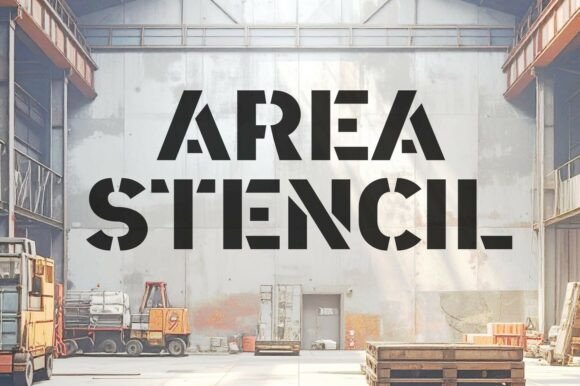
At its core, Area Stencil is a premium display font, meaning it’s crafted for headlines, titles, and prominent text rather than long paragraphs of body copy. Its defining characteristic is the classic stencil cutout—those deliberate breaks in the letterforms that mimic the look of industrial stenciling. This isn't just a stylistic quirk; it’s a visual language. The segmented look evokes imagery of military crates, warehouse signage, shipping containers, and manufacturing tags. The bold, uppercase letterforms are unyielding, creating a strong, monolithic presence on the page or screen. This isn't a font that whispers; it declares. Its strength lies in this unapologetic, functional aesthetic that carries a sense of history and purpose.
Where to Deploy This Rugged Design Asset
The real value of a typeface like Area Stencil is realized in its application across a wide range of creative and commercial projects. Its personality makes it exceptionally versatile for specific branding and design needs. Consider its role in building a brand identity for a company that prides itself on toughness and reliability—think outdoor gear, workwear, or a specialty tool brand. The font becomes an integral part of the logo design, setting a foundational tone of resilience before a single word of copy is read.
Beyond logos, its applications are extensive and practical:
- Branding & Merchandise: Perfect for apparel like a "BUILT TOUGH" t-shirt, hats, or bags. The stencil cutouts ensure the design remains legible and impactful even when printed on textured fabrics.
- Packaging Design: For products in the food, beverage, or hardware space, this typeface can make labels and boxes stand out on a crowded shelf, suggesting a product that is straightforward and effective.
- Signage & Environmental Graphics: Ideal for interior or exterior signage in gyms, workshops, breweries, or urban retail spaces. Its high-contrast letterforms are designed for quick reading from a distance.
- Editorial & Poster Design: In magazine layouts, book covers, or event posters, using Area Stencil for a headline can instantly grab attention and set a gritty, powerful tone for the entire piece.
- Digital Presence: For websites and social media graphics, it can be used for hero section headings, banner text, or profile headers to create a memorable first impression that aligns with a tough, directive brand voice.
Making It Work: Practical Typography Advice
Choosing a creative font is only the first step; using it effectively is what brings a project to life. With a display font like this, context and pairing are everything. Its strong personality means it rarely works well as body text. Instead, use it as the anchor for your visual hierarchy. Pair it with a clean, neutral sans serif font for secondary text, descriptions, or calls-to-action. This contrast allows the stencil typeface to command attention without overwhelming the viewer, ensuring your overall layout remains balanced and readable.
Always test your font pairings in context. View a headline in Area Stencil next to your chosen body font on a mockup of your website, packaging, or social media post. Check the readability at various sizes—what looks powerful on a 72-point title might become illegible at 14 points. Furthermore, take a moment to review the full character set included with the font. A comprehensive set of uppercase letters, numerals, and essential punctuation means you have the tools to craft complete, professional messages without compromise.
Aligning Typography with Project Goals
The decision to use a specific typeface should always be a strategic one, directly tied to the message you need to convey. Ask yourself: What is the core feeling of this project? If the goal is to communicate modernity, cleanliness, and approachability, a geometric sans serif might be better. If the goal is elegance, tradition, or personal touch, a serif or handwritten font could be the answer. However, if the objective is to project authority, industrial grit, urban energy, or unyielding durability, then a stencil display font like Area Stencil is not just a choice—it’s a solution.
This alignment between typography and goal is a cornerstone of effective visual communication. It strengthens brand recognition by creating a consistent and appropriate visual identity. It enhances professional presentation by showing thoughtful, intentional design choices. Ultimately, it drives audience engagement because the visual language matches the verbal message, creating a cohesive and believable experience for the viewer. Whether you're a designer crafting a brand identity, an entrepreneur launching a product line, or a creator developing marketing assets, selecting a typeface that embodies your project's essence is a powerful step toward making a lasting impact.