Signature Font: Where Geometric Curves Meet Modern Branding
Every brand, every project, every digital touchpoint needs a voice. While words carry the message, the typography you choose sets the initial tone. It’s the visual handshake, the first impression that can either invite someone in or leave them searching elsewhere. For creators and business owners building a modern, approachable identity, finding that perfect typographic voice can feel like searching for a needle in a haystack. You want something distinctive, yet not distracting. Friendly, yet professional. Simple, yet full of character. This is the precise space that the Signature font occupies—a display typeface that uses the power of minimalist, geometric curves to craft an identity that is both bold and uniquely simple.
The Anatomy of a Friendly Typeface
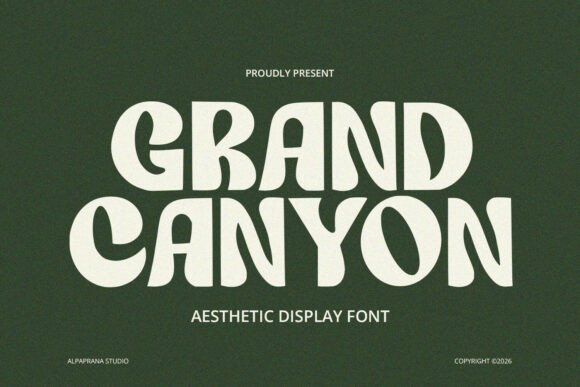
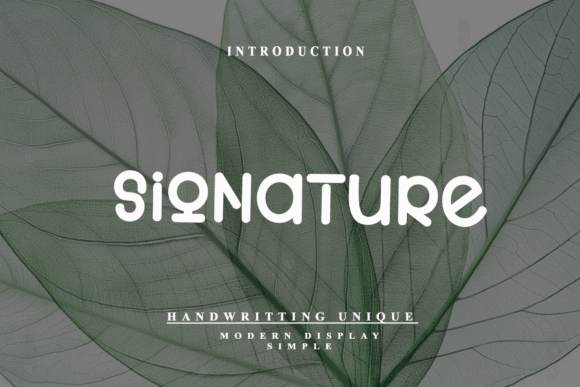
At first glance, the Signature font feels immediately familiar yet entirely fresh. Its design philosophy is rooted in reduction. Traditional serifs, complex swashes, and decorative flourishes are intentionally absent. In their place, you’ll find clean, rounded letterforms built on smooth, monoline curves and playful, simple geometry. This isn’t about showing off intricate typographic skill; it’s about achieving clarity and memorability through intelligent simplification. The result is a display font that carries a friendly, almost cheerful demeanor without sacrificing the assertiveness needed for strong branding. It’s the typographic equivalent of a confident smile—open, engaging, and impossible to forget.
This handwriting unique display font strikes a careful balance. The rounded terminals and consistent stroke width give it a soft, approachable feel, perfect for brands that want to connect on a human level. Yet, the underlying geometric structure ensures it maintains a clean, modern edge. It avoids looking childish or overly casual, positioning it as a versatile tool for serious applications where a touch of individuality is key. Think of it as a sans serif font with a distinct personality—its curves add warmth that standard geometric sans serifs often lack.
Practical Applications: From Screen to Print
The true test of any creative font is how it performs in the wild. The Signature typeface excels in scenarios where clarity, personality, and modern appeal are non-negotiable. Its design is inherently legible at various sizes, making it a workhorse for both digital and physical media.
For brand identity and logo design, this font becomes the cornerstone of visual consistency. Its unique silhouette ensures a logo stands out in a crowded market, whether on a website header, a mobile app icon, or a product label. The friendly geometry makes it particularly effective for lifestyle brands, tech startups, educational platforms, or any business aiming to project an innovative and approachable image.
In the realm of social media graphics, where attention spans are short, the Signature font cuts through the noise. Its bold presence works wonderfully for Instagram story quotes, Pinterest pin titles, YouTube thumbnails, and Facebook ad headlines. It communicates quickly and leaves a lasting impression, which is exactly what you need in a fast-scrolling feed. Pair it with a simple, clean body font for maximum impact and readability.
For packaging design and merchandise, the font’s friendly curves can soften a product’s presentation, making it feel more accessible. Imagine it on a coffee bag label, a skincare bottle, or a t-shirt graphic. It adds a layer of modern craftsmanship that appeals to contemporary consumers. Similarly, in editorial design—think magazine covers, blog headers, or book titles—it provides a striking headline that draws the reader in without overwhelming the accompanying body text.
Building a Cohesive Visual Language
Using a single, well-chosen font family across multiple platforms is one of the simplest ways to build visual consistency and strengthen brand recognition. When your audience sees the same distinctive letterforms on your website, your Instagram posts, your email newsletters, and your product packaging, it creates a subconscious sense of familiarity and trust.
The Signature font supports this strategy beautifully. Its personality is strong enough to be a headline star but balanced enough to work as a supporting player in more complex layouts. This versatility is a massive advantage. You can use it for your main logo, then repurpose it for subheadings on your website, pull quotes in your blog posts, and call-to-action buttons in your marketing assets. This creates a cohesive thread that ties all your visual communications together, making your brand look polished and intentionally designed.
When considering font pairing, the goal is to create harmony, not competition. The Signature display font pairs exceptionally well with neutral, highly legible body fonts. Think of a classic, clean sans serif like Helvetica, Open Sans, or Lato for body copy. The contrast between the playful, geometric curves of Signature and the straightforward simplicity of a workhorse sans serif creates a dynamic and professional hierarchy. For a more editorial feel, it can also be paired with a simple serif font like Georgia or Times New Roman, where the display font handles titles and the serif manages the reading text.
Making the Right Choice for Your Project
Before committing to any premium font or design asset, a practical evaluation is essential. First, consider your project’s core goal. Are you building a playful brand for a children’s educational app? The friendly curves of Signature could be perfect. Are you designing a sleek, modern poster for a tech conference? Its geometric base will fit right in. The font’s personality should mirror the emotion you want your audience to feel.
Next, always test for readability. While display fonts are primarily for headlines and short bursts of text, you still need to ensure the letterforms are clear at the intended size. Mock up a headline on a website, a social media post, and a printed flyer. Check the spacing and kerning. A good modern typography choice feels effortless to read.
Finally, review the technical details. Check what styles are included—does the font family come with different weights (Light, Regular, Bold) or only one? More weights offer greater flexibility for creating hierarchy within your designs. Crucially, understand the licensing. If you’re using the font for a client project, a business logo, or merchandise for sale, you will need a commercial font license. Always verify that the license covers your intended use, whether it’s for a single project, multiple clients, or a large-scale enterprise. This due diligence protects you legally and ensures you’re using the asset correctly.
In the end, choosing a typeface like Signature is about more than just picking letters. It’s about selecting a visual partner that will help tell your brand’s story. Its unique blend of minimalist geometry and friendly curves offers a fresh, modern voice that is assertive yet approachable. By thoughtfully integrating it into your web design, packaging, and digital products