Pencil Crayon: A Font with Handmade Character
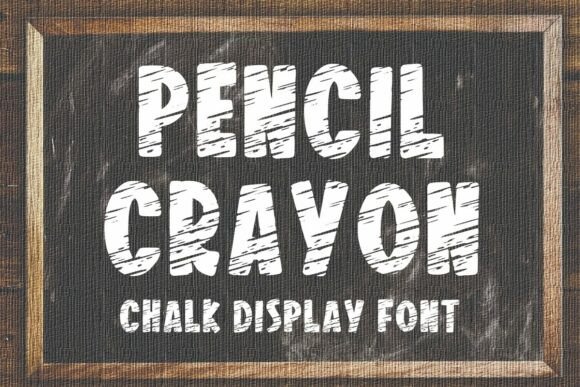
There’s something instantly familiar and inviting about the texture of a crayon on paper. It evokes creativity, a hands-on approach, and a touch of nostalgia. The Pencil Crayon font captures that exact feeling, translating the gritty, textured strokes of a crayon into a versatile digital typeface. It’s more than just letters; it’s a visual style that brings warmth, authenticity, and a crafted feel to any project it touches.
A Typeface with Artistic Flair
What sets Pencil Crayon apart from a standard clean font is its deliberate imperfection. Each character appears to have been drawn by hand, with the slight unevenness and textured edges you’d expect from a real crayon or pencil. This isn’t a sterile, geometric sans serif or a formal serif font. It’s a display font with personality, designed to make a statement. The visual texture adds depth and interest, making it perfect for projects where you want to convey a sense of artistry, playfulness, or handmade quality.
This style works incredibly well because it feels human. In a digital landscape often dominated by flawless vectors and crisp lines, a font like this provides a refreshing contrast. It can soften a brand’s image, make a design feel more approachable, and instantly communicate a specific mood—whether that’s whimsical, rustic, or creatively bold.
Where This Creative Font Truly Shines
The practical applications for a textured display font are vast. Its strength lies in headlines, logos, and short bursts of text where its unique character can be fully appreciated without compromising readability.
Branding and Logo Design: For businesses in creative fields, education, children’s products, or artisanal crafts, Pencil Crayon can become a cornerstone of the brand identity. A logo set in this typeface immediately tells a story. Imagine a bakery, a craft workshop, a children’s book author, or a tutoring service using it. It builds instant recognition and sets a friendly, approachable tone.
Packaging and Merchandise: On product packaging, this font can cut through visual noise. It’s ideal for labels, hang tags, and product names where a handmade feel adds perceived value. Think of gourmet jam jars, organic skincare products, or boutique stationery. For merchandise like tote bags, mugs, or t-shirts, it offers a charming, illustrative quality.
Digital Presence and Social Media: In the fast-scrolling world of social media, eye-catching graphics are essential. Using Pencil Crayon for social media graphics—like quote images, sale announcements, or Instagram story headers—can stop a user in their tracks. It’s also effective for blog post titles and website headers, adding personality to a web design without overwhelming the body text.
Print and Editorial Projects: Don’t limit it to the screen. This premium font is fantastic for printed materials. Use it for event posters, flyer headlines, invitation suites, greeting card sentiments, and magazine pull-quotes. In editorial design, it can create beautiful contrast when paired with a clean body font, guiding the reader’s eye and adding visual hierarchy.
Making It Work: Practical Typography Tips
Choosing a font with this much character requires a thoughtful approach. The goal is to harness its energy without sacrificing clarity or professionalism.
Pairing is Key: The number one rule with a strong display font is to pair it with something simple. Let Pencil Crayon be the star for headlines and short text, and use a highly readable sans serif font or a classic serif font for paragraphs and smaller copy. This contrast ensures your overall design remains balanced and legible. A good font pairing is like a conversation—one voice leads, and the other supports.
Mind the Context: Always consider your audience and project goal. This font might be perfect for a playful children’s party invitation but less suitable for a corporate law firm’s annual report. Test it in context. How does it look on a mock-up of your website or printed material? Does it convey the right message?
Check the Font Styles: A good typeface often comes with more than one weight or style. Explore what’s included with Pencil Crayon. Does it have a bold version for extra emphasis? An italic for subtle variation? Having these options gives you more creative flexibility within the same visual family.
Readability First: While beautiful, textured fonts can be harder to read at very small sizes or in long blocks of text. Use it strategically. It’s perfect for a 48-point headline, but for a 12-point caption, a cleaner alternative will serve your audience better. Always prioritize your reader’s experience.
From Hobby to Professional Asset
For the creative entrepreneur or small business owner, a font like this is more than a design asset—it’s a tool for storytelling. It helps build a visual language that is consistent across all touchpoints, from your website to your business cards to your product labels. This consistency is what builds brand recognition and trust over time.
When you invest in a commercial font, you’re investing in quality and legality. Ensure you understand the licensing. A proper license for a font like Pencil Crayon allows you to use it freely in your commercial projects, giving you peace of mind as you build your brand. It’s a professional step that separates hobbyist work from established business practice.
Ultimately, typography is about communication. The right font doesn’t just hold words; it amplifies their meaning. Pencil Crayon offers a way to inject creativity, warmth, and a distinct personality into your projects. It’s a reminder that sometimes, the most effective designs are the ones that feel a little less perfect and a lot more human. Experiment with it, test its limits, and see how its unique texture can bring your next idea to life.