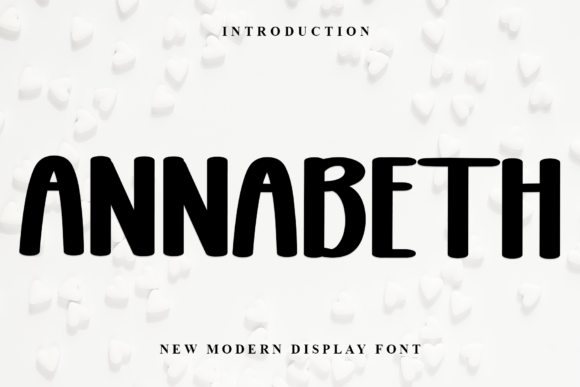
Annabeth: A Display Font Blending Classic Charm with Modern Polish
There’s a moment in every creative project where the typography either elevates the entire concept or holds it back. You’ve felt it—that subtle shift when a font choice clicks perfectly with your message, or when something feels slightly off. For designers, entrepreneurs, and creators seeking that elusive balance between timeless elegance and contemporary clarity, Annabeth emerges as a compelling solution. This stylish display font carries the graceful curves of classic calligraphy while maintaining a clean, modern form that works beautifully across both digital and print applications.
Where Classic Calligraphy Meets Contemporary Design
What makes Annabeth stand out in a crowded field of premium fonts? Its DNA tells the story. Inspired by the fluid, expressive strokes of traditional calligraphy, Annabeth captures that human touch without sacrificing readability. The letterforms feel balanced and varied—each character crafted with attention to weight distribution, spacing, and visual rhythm. This isn’t a font that screams for attention; instead, it invites the viewer in with quiet confidence.
The contemporary atmosphere comes through in how Annabeth handles its classical influences. Where older script fonts might feel overly ornate or difficult to read at smaller sizes, Annabeth maintains clarity. The strokes have been refined to work well in modern contexts—from website headers to product packaging, from social media graphics to printed invitations. It’s this duality that makes it versatile: sophisticated enough for luxury branding, yet approachable enough for everyday creative projects.
Practical Applications That Actually Work
Let’s talk about where Annabeth genuinely shines, because a beautiful font means nothing if it doesn’t serve real-world needs.
Branding and Logo Design: If you’re developing a brand identity for a boutique business, a creative studio, or a lifestyle brand, Annabeth brings instant personality. Think about a handmade jewelry line, a specialty coffee roaster, or a wellness brand—these businesses often need typography that conveys craftsmanship and authenticity. Annabeth’s calligraphic roots deliver that handmade feel while its clean construction ensures the logo scales well across business cards, signage, and digital platforms.
Packaging Design: On a shelf crowded with competing products, typography can be your secret weapon. Annabeth works exceptionally well for product labels, box designs, and sleeve packaging where you want to communicate quality and care. The font’s elegant letterforms catch the eye without overwhelming product information, making it ideal for artisan goods, cosmetics, gourmet foods, and specialty beverages.
Social Media and Digital Marketing: Content creators and marketers know the struggle of standing out in a fast-scrolling feed. Annabeth brings visual interest to Instagram graphics, Pinterest pins, Facebook ads, and YouTube thumbnails. Its distinctive character helps establish a recognizable visual style across platforms, which directly supports brand consistency—a factor that audiences notice, even subconsciously.
Print Materials and Editorial Layouts: For magazines, lookbooks, event programs, and promotional flyers, Annabeth adds a layer of sophistication. It pairs well with clean sans serif fonts for body text, creating a hierarchy that guides readers through your content naturally. Wedding invitations, restaurant menus, and event posters all benefit from that classic-meets-modern aesthetic.
Websites and Blogs: While display fonts require thoughtful implementation on the web, Annabeth works beautifully for hero sections, pull quotes, section headers, and accent text. Bloggers and website owners can use it to create visual focal points that break up long-form content and add personality to an otherwise standard layout.
Understanding the PUA Encoding Advantage
One technical detail worth knowing: Annabeth is PUA encoded. For those unfamiliar, PUA (Private Use Area) encoding means that every glyph, alternate character, and ligature included with the font can be accessed directly—whether you’re using professional design software like Adobe Illustrator and Photoshop, or simpler tools like Canva, PicMonkey, or even basic word processors.
Why does this matter practically? Because it means you’re not limited to the standard character set. Want to swap in a decorative alternate for a capital letter? Access a stylistic ligature that connects two letters in a more fluid way? With PUA encoding, these special characters are available without requiring advanced OpenType feature support in your software. This levels the playing field, allowing hobbyists and small business owners to access the same typographic flexibility that professional designers enjoy.
Making Font Pairings Work
Choosing a display font like Annabeth is only half the equation. The real magic happens in how you pair it with supporting typefaces. Here’s a practical approach:
Start by identifying what role Annabeth plays in your design. Typically, display fonts work best for headlines, titles, and short accent text—not for paragraphs or extended reading. You’ll want a complementary font for body copy that doesn’t compete for attention.
Classic combinations: Pair Annabeth with a clean, geometric sans serif like Montserrat, Lato, or Open Sans for body text. The contrast between the expressive display font and the neutral sans serif creates visual interest while maintaining readability.
Modern editorial: For a more refined look, try matching Annabeth with a contemporary serif font like Playfair Display or Cormorant. This combination works well for fashion brands, editorial layouts, and luxury marketing materials.
Casual and approachable: If your project needs warmth without formality, consider pairing Annabeth with a friendly sans serif like Nunito or Source Sans Pro. This works well for lifestyle blogs, creative portfolios, and approachable brand identities.
The key is testing your pairings in context. Don’t just compare fonts side by side on a blank page—mock them up in your actual project. See how they interact with your color palette, imagery, and layout. Readability at your intended size matters more than theoretical elegance.
Matching Typography to Your Project Goals
Before committing to any typeface—including Annabeth—ask yourself a few practical questions:
- What’s the primary emotion I want to evoke? Annabeth leans toward elegance, warmth, and craftsmanship. If your brand identity calls for bold, aggressive, or ultra-minimalist aesthetics, it might not be the right fit.
- Where will this font appear most? If it’s primarily for large headlines and display text, a font like Annabeth is purpose-built for that role. If you need something for dense body copy, you’ll need a different primary typeface.
- Who is my audience? Consider their expectations and preferences. A handmade soap brand and a fintech startup have very different visual languages. Annabeth speaks to audiences that appreciate authenticity, artistry, and personal touch.
- What other design assets am I working with? Typography doesn’t exist in isolation. Think about your photography style, color palette, and overall design system. The best font choice reinforces your existing visual direction.
Licensing and Commercial Use Considerations
If you’re working on commercial projects—client work, products for sale, marketing materials, merchandise—font licensing matters. Always verify the specific license that comes with your font purchase. Most premium fonts offer different license tiers depending on usage: desktop, web, app, or server use. Some licenses cover a specific number of users or projects; others offer broader commercial rights.
For designers working with clients, understanding licensing protects both you and your clients from potential legal issues. Keep records of your font purchases and their associated licenses. If a client needs the font files for their own use, they may need to purchase their own license depending on the terms.
Bringing It All Together
Finding the right creative font is less about following trends and more about understanding your project’s unique needs. Annabeth offers something specific: the visual warmth of classic calligraphy refined into a contemporary display typeface that works across modern applications. Its balanced letterforms, PUA encoding for easy glyph access, and versatile aesthetic make it a practical addition to any designer’s toolkit—whether you’re building a brand from scratch, refreshing a visual identity, or adding personality to your next marketing campaign.
The best typography decisions come from experimentation and context. Download the font, explore its character set, test it against your existing design assets, and see how it feels in your specific project. Sometimes the right typeface doesn’t just complete a design—it transforms it.