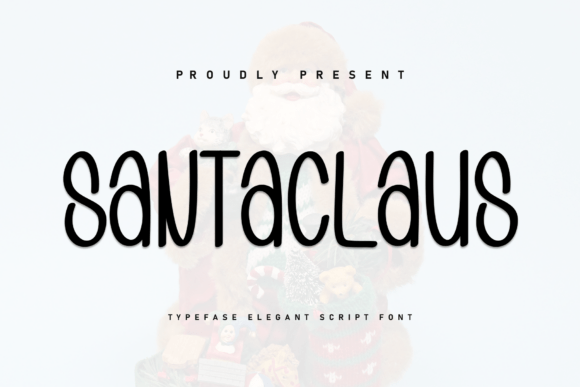
Why the Santaclaus Font Feels Like a Handwritten Conversation
Finding a typeface that balances casual charm with sophisticated appeal can be tricky. Too often, fonts fall into one of two camps: overly rigid and corporate, or so whimsical they lack professionalism. That’s where a display font like Santaclaus steps in. Designed with the texture of a marker stroke, it captures a relaxed, sporty energy while maintaining a distinct sense of luxury. It’s the kind of typography that feels personal, as if it were sketched just for the viewer. For designers, entrepreneurs, and content creators, this blend of qualities opens up a world of creative possibilities—from branding and packaging to digital campaigns and social media.
A Font That Bridges Casual and Upscale
Santaclaus isn’t just another handwritten style. Its visual character lies in its fluid, marker-drawn strokes, which give it an approachable yet polished look. This makes it incredibly versatile. Imagine it on a coffee shop logo, where it conveys warmth and craftsmanship, or on a boutique fashion label, where it adds a touch of effortless elegance. The font’s sporty undertones keep it feeling modern and energetic, which is ideal for brands that want to appear friendly and dynamic without sacrificing a premium feel.
What sets this typeface apart is its ability to adapt to different contexts. In a wedding invitation, it can feel romantic and bespoke. On a social media graphic for a fitness brand, it can feel motivational and contemporary. This flexibility stems from its design—it’s a premium font that doesn’t take itself too seriously, making it a valuable asset for anyone looking to inject personality into their visual communication.
Practical Applications Across Creative Projects
Let’s talk about where Santaclaus truly shines. Its handwritten nature makes it perfect for projects where a human touch matters. For branding and logo design, it can help a business stand out with a unique, memorable wordmark. Unlike generic script fonts, its marker texture adds depth and authenticity, which can enhance brand recognition. Small business owners often use it for packaging design—think artisanal product labels, bakery boxes, or cosmetic packaging—where it communicates care and originality.
In digital spaces, this font excels at grabbing attention. It works beautifully for website headers, blog titles, and social media graphics, especially for lifestyle, fashion, or wellness content. Its casual elegance also makes it a strong choice for marketing assets like posters, flyers, and email headers, where you want to convey a message quickly and stylishly. For those creating digital products—such as e-books, worksheets, or online course materials—Santaclaus can add a layer of professionalism that feels engaging rather than sterile.
Print materials benefit from its clarity and character too. Greeting cards, event invitations, and editorial layouts gain a personalized, high-end look. Even merchandise like T-shirts, tote bags, and mugs can leverage its sporty yet luxurious vibe to appeal to a design-conscious audience. The key is to use it where you want to make a visual statement that feels both authentic and refined.
Pairing and Readability: Making It Work in Real Designs
While Santaclaus is a standout display font, it’s important to use it thoughtfully. For body text or long paragraphs, a cleaner sans serif or serif font is usually a better choice—Santaclaus is designed for headlines, logos, and accent text. Pairing it with a simple, neutral typeface can create a balanced hierarchy. For example, using Santaclaus for a main headline and a sans serif like Montserrat or Open Sans for subheadings and body copy ensures readability while maintaining visual interest.
Always test your font pairings in context. How does the combination look on a mobile screen? Does it work in print at smaller sizes? Since Santaclaus has a distinct personality, it’s best used sparingly to avoid overwhelming a design. Think of it as a highlight—a way to draw the eye to key messages without cluttering the layout. Also, review the font’s included styles and weights to see if it offers variations that suit your project’s needs, such as bold or italic versions for emphasis.
Readability is crucial, especially in digital environments. While the marker style is engaging, ensure that text remains legible at various sizes and on different backgrounds. High contrast between the font color and its background will help. For web design, consider using it for hero sections or call-to-action buttons where impact matters more than extended reading.
Integrating Santaclaus into Your Brand Identity
For entrepreneurs and marketers, typography is a silent ambassador for your brand. Choosing a font like Santaclaus can help shape how your audience perceives you. Its handwritten quality suggests creativity and approachability, while its polished execution implies attention to detail. This makes it particularly effective for brands in the lifestyle, fashion, beauty, or food industries, where visual storytelling is key.
When building a brand identity, consistency is everything. Using Santaclaus across your logo, website, social media, and print materials creates a cohesive look that reinforces recognition. However, be mindful of commercial licensing—ensure the font license covers your intended use, whether for digital products, merchandise, or client work. Many premium fonts come with clear licensing terms, so reviewing those details upfront avoids headaches later.
Ultimately, the right typeface can elevate a project from ordinary to memorable. Santaclaus offers a unique blend of casual energy and sophisticated charm, making it a practical and inspiring choice for a wide range of creative applications. Whether you’re designing a logo, crafting social media content, or developing packaging, its marker-drawn authenticity can help your work feel more personal, professional, and engaging.