The Wolfman: Unleashing Raw Energy with Hand-Painted Typography
There's a particular kind of design that demands attention not through polish, but through raw, unfiltered energy. It’s the style that feels immediate, authentic, and full of movement—like a brushstroke captured in mid-sweep. If you’ve ever sought a typeface that embodies this dynamic, street-smart attitude, you’ve likely encountered the challenge of finding one that feels genuine rather than manufactured. This is where a specific style of hand-painted font comes into play, designed for projects that need to shout their message with confidence and speed.
A Typeface with Street Punk Attitude
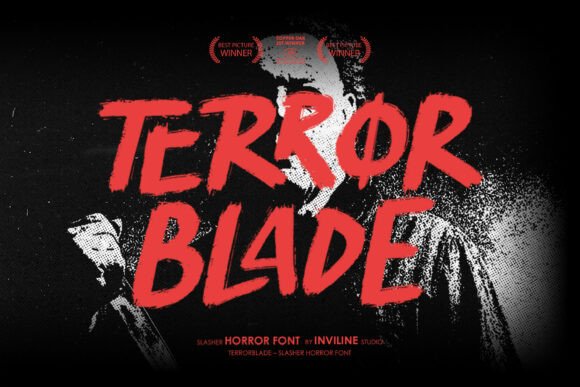
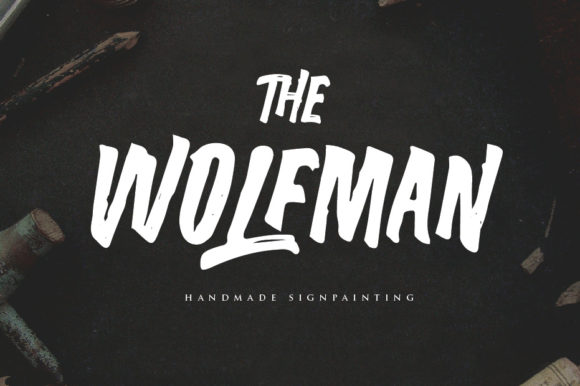
Imagine a display font that doesn't just sit on the page but leaps off it. That's the core personality of this thick brush typeface. It’s built on the foundation of hand-painted lettering, where every letterform carries the slight imperfections and energetic sweeps of a real brush. The result is a large, rough, and textured font that feels both vintage and contemporary. Its "street punk attitude" translates into a design that’s bold, unapologetic, and slightly rebellious—perfect for breaking through visual noise. This isn't a font for whispering; it’s for making a loud and fast statement that sticks.
The visual appeal lies in its authenticity. Each character features quick, sharp details and thick strokes that give it a substantial, tangible presence. This quality makes it an excellent choice for projects where you want to convey action, urgency, or a handcrafted feel. Unlike perfectly geometric sans serif fonts or elegant serifs, this brush display font offers a human touch that can instantly make a brand feel more approachable and energetic.
Practical Applications: From Branding to Packaging
So, where does a font with this much personality actually work? Its versatility might surprise you. For logo design, it provides an instant foundation for a brand that wants to appear dynamic, creative, or rooted in craft. Think of a local brewery, a skateboard company, a street food vendor, or an indie music label. The font’s inherent energy aligns perfectly with those brand identities.
Beyond logos, consider packaging design. On a product shelf, you have a split second to catch a consumer's eye. The bold strokes and textured appearance of a thick brush font can make a product name pop, especially for items like hot sauces, artisanal coffee, or specialty snacks. It communicates flavor and attitude visually before the customer even reads the description.
The applications extend seamlessly into the digital realm. For social media graphics, this typeface is a powerhouse. It can create standout headlines for Instagram posts, Facebook ads, or YouTube thumbnails. Its high-impact nature ensures your message is readable even in a fast-scrolling feed. When used for a blog header or a website banner, it can inject immediate personality into a page, setting the tone for the content that follows. It pairs surprisingly well with clean sans-serif body text, creating a balanced and professional yet engaging layout.
Enhancing Your Visual Communication Strategy
Choosing the right font is a strategic decision that impacts more than just aesthetics. A typeface like this one can directly contribute to key marketing and design goals. Its strong visual weight improves brand recognition; a unique and consistent font helps customers remember you. For visual consistency, using it across your logo, posters, and merchandise creates a cohesive look that strengthens your brand identity.
While a display font isn't for body copy, its role in audience engagement is critical. A captivating headline or logo draws people in, making them more likely to read the finer details. When used correctly, it enhances professional presentation by showing thoughtful design choices. A small business using this font on its signage, menus, and social media appears more established and intentional in its branding.
Remember, readability is context-dependent. A font like this is engineered for impact at larger sizes, such as headlines, titles, and logos. It’s not designed for paragraphs of small text. Its effectiveness lies in short, powerful bursts—exactly what you need for a poster, a product name, or a call-to-action button.
Tips for Pairing and Implementation
Integrating a bold, character-rich font into your projects is easier with a few practical considerations. First, choose the right context. Ask yourself: does my project's tone match the font's energy? It’s ideal for active, creative, or edgy themes but might clash with a formal, corporate report.
Test your font pairings thoroughly. This brush font shines when contrasted with a simple, neutral companion. A classic sans-serif like Helvetica, Futura, or a modern grotesque font for body copy allows the display font to be the star without overwhelming the viewer. Avoid pairing it with other highly decorative script or handwritten fonts, as this can create visual chaos.
Take advantage of the included font styles and swashes. Many premium fonts like this one come with alternate characters, ligatures, or a separate swash collection. These extras are incredibly useful for customizing letterforms in logos or headlines, adding a unique flair that makes your design truly one-of-a-kind. Experiment with them in your design software.
Finally, always review commercial licensing. If you're using the font for a client project, merchandise for sale, or digital products, ensure your license covers that use. Most reputable font foundries offer clear licensing options for personal, commercial, and extended use. This step protects you and your client legally and supports the type designers who create these invaluable assets.
In the end, a font is more than just letters—it's a tool for storytelling. A hand-painted, thick brush typeface tells a story of energy, craftsmanship, and bold expression. By understanding its personality and applying it strategically, you can harness its power to make your designs not just seen, but felt.