Spring Stacked: Capturing the Joy of Renewal in Your Designs
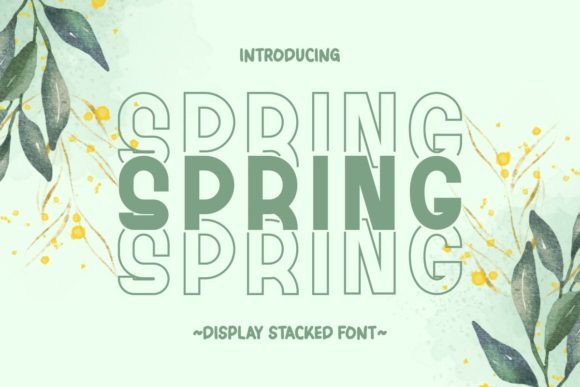
There’s a particular energy that arrives with the first truly warm days of the year. It’s in the vibrant greens pushing through the soil, the pastel colors of Easter eggs, and a general feeling of lightness and celebration. Translating that feeling into a visual project requires more than just choosing the right colors; it demands typography that carries the same spirit. Enter a typeface that does exactly that—a display stacked font designed to embody the whimsy and festive joy of the season. Its playful, layered structure isn't just a technical feature; it’s a direct invitation to create designs that feel fresh, optimistic, and full of life. If you're working on a project that needs a burst of seasonal charm or a touch of whimsical professionalism, understanding how to leverage a font like this can transform your work.
A Typeface with a Lush, Playful Personality
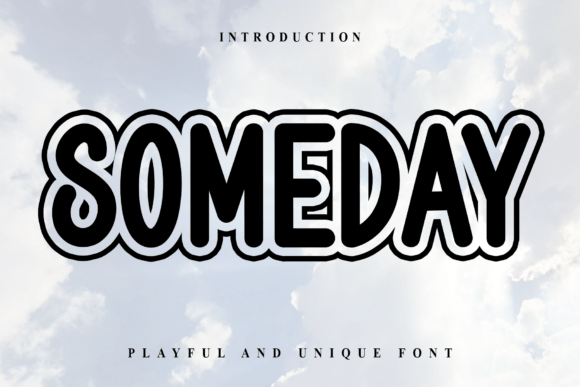
At its core, this creative font is about visual texture and mood. The "stacked" element refers to its design, where letters are composed of multiple layers or elements that can be arranged to create a sense of depth and dimension. This isn't a flat, single-weight typeface. Imagine the layers of petals on a spring flower or the textured layers of a festive banner—that’s the kind of tactile quality it brings to the page or screen. The inspiration from spring greens and Easter festivities is evident in its curves, proportions, and overall friendly demeanor. It avoids the harsh edges of some modern geometric sans serif fonts, instead opting for softer, more organic shapes that feel approachable and celebratory. This makes it a standout premium font for projects where you want the typography itself to tell a story of renewal and happiness.
From Branding to Merchandise: Real-World Applications
The true test of any display font is how it performs in practical scenarios. This particular typeface shines in applications where personality and visual appeal are paramount. For small business owners and entrepreneurs, consider how it could elevate your seasonal branding. A bakery launching a spring collection of pastries could use it on packaging, social media headers, and menu boards to instantly communicate a festive, fresh offering. Similarly, a boutique clothing brand might feature it on apparel mockups for a spring line, giving the designs a cohesive and spirited look that resonates with customers looking for seasonal updates.
For content creators and marketers, the font is a powerful tool for grabbing attention in crowded digital spaces. Use it for impactful social media graphics announcing a sale, for blog post headers that draw readers in, or for the title graphics of a YouTube video about spring crafts. Its whimsical nature also makes it perfect for invitations—think garden party invites, Easter brunch announcements, or wedding save-the-dates with a playful twist. In editorial design, it can create striking pull quotes or section headers in a magazine or lookbook, breaking up long blocks of text and adding a burst of energy.
Don't overlook its potential for physical products and print materials. The font's distinct character makes it ideal for merchandise like tote bags, mugs, and posters. A coffee shop could use it for a limited-time "Spring Blend" mug design, or a local event planner could create eye-catching posters for a community egg hunt. Its layered design also translates well to digital products, such as printable wall art or planner stickers, giving them a professional yet handmade feel that customers appreciate.
Building a Cohesive and Engaging Visual Identity
Using a distinctive font like this strategically does more than just make things look pretty; it contributes to core marketing and branding goals. First, it fosters visual consistency. By using the same typeface across your spring campaign—on your website, your Instagram stories, your product tags, and your email newsletter—you create a recognizable visual thread. This repetition builds brand recognition, helping your audience instantly identify your content amidst the noise. They see that playful, stacked style and immediately associate it with your brand's seasonal message.
Second, it enhances professional presentation. A well-chosen font signals that you pay attention to detail. It shows you’ve considered the entire aesthetic of your project, which builds trust with your audience. While a script font or handwritten font might feel too casual for some contexts, and a standard serif font might feel too traditional, this typeface occupies a sweet spot. It's professional enough for commercial use but infused with enough character to stand out. Finally, it drives audience engagement. Typography that evokes an emotion—in this case, joy and renewal—creates a stronger connection with viewers. People are more likely to stop scrolling, read a headline, or click a link if the visual presentation resonates with them on an emotional level.
Making It Work: Practical Typography Tips
Adopting a new font into your workflow involves a few practical considerations to ensure success. The first step is always to test font pairings. A bold, layered display font rarely works well for long paragraphs of body copy. Instead, pair it with a clean, highly readable sans serif font for your main text. This creates a beautiful contrast where the headline font does the heavy lifting of personality, and the body font ensures clarity. Try pairing it with a classic like Open Sans, Lato, or a simple serif for a more traditional look. Always test the combination at the actual size it will be used to check for readability.
Next, take full advantage of the font's included styles. A quality premium font will often come with more than just the basic letters. Look for alternates, ligatures, and stylistic sets. These might include different versions of certain letters (like a more ornate "g" or "a") that can add extra flair to key words in a logo or headline. Experimenting with these features allows you to customize the look further and make it uniquely yours.
Finally, pay close attention to commercial licensing. If you're using the font for client work, merchandise for sale, or digital products you distribute, you need to ensure you have the correct license. Most reputable font foundries and marketplaces offer clear licensing options—often a desktop license for print and logos, and an extended or web license for online use and products. Always read the license agreement to understand what is permitted, as this protects both you and the font designer. Choosing the right font style is about matching its personality to your project's goals, but doing so legally and professionally is non-negotiable for any serious creative or business endeavor. By thoughtfully integrating a font like this into your toolkit, you gain a versatile asset that can inject a much-needed dose of seasonal vibrancy and professional charm into a wide array of designs.