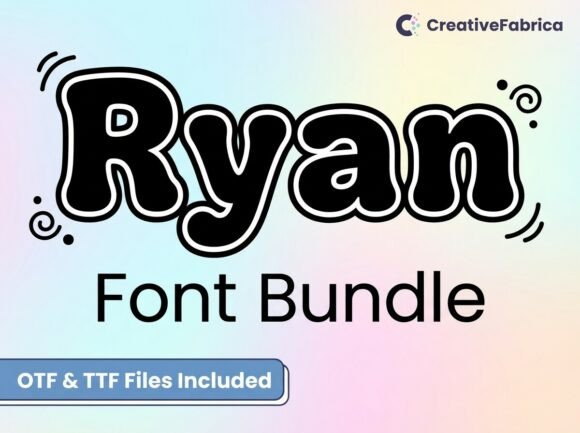
Ryan: The Decorative Display Font That Commands Attention
There are typefaces that whisper, and then there are typefaces that take the stage. If you've ever scrolled past a design that made you stop and stare, chances are the typography was doing more than just conveying words—it was creating an experience. That's the power of a truly distinctive display font, and it's exactly what brings us to Ryan. This isn't your everyday, blend-into-the-background typeface. It's a decorative powerhouse built for moments when your message needs to be impossible to ignore.
What makes Ryan stand out in a sea of creative fonts? It starts with its artistic DNA. Every letterform carries intricate details and a strong visual personality, giving your designs an instant "wow" factor without requiring hours of custom illustration. Think of it as your secret weapon for high-impact projects where the typography itself becomes the focal point. Whether you're crafting a modern poster, building a unique brand identity, or designing social media content that stops the scroll, Ryan brings that rare combination of artistic flair and polished professionalism.
Where This Typeface Truly Shines
Let's talk practical applications, because a font is only as good as the projects it elevates. Ryan excels across a surprisingly wide range of creative work, and understanding where it fits best will help you get the most out of its personality.
Poster Design and Event Branding: When you need headlines that people genuinely can't look away from, this is where Ryan comes alive. The decorative elements create natural visual interest, making it perfect for music event flyers, gallery openings, festival promotions, and theatrical productions. Pair it with a clean sans serif font for body copy, and you've got a layout that balances drama with readability.
Brand Identity and Logo Design: Creative businesses—from boutique coffee roasters to independent record labels—often struggle to find a typeface that feels both unique and trustworthy. Ryan bridges that gap. Its artistic letterforms communicate creativity and originality, while the professional finish ensures your brand doesn't come across as amateurish. For logo design specifically, consider using Ryan for the primary wordmark and pairing it with a simpler serif or sans serif for taglines and supporting text.
Packaging and Merchandise: Shelf presence matters more than ever, especially for small businesses competing alongside established brands. Ryan gives products a premium, artistic quality that suggests craftsmanship and attention to detail. It works beautifully on T-shirt designs, hoodies, tote bags, artisan food packaging, beauty product labels, and specialty goods. The decorative style naturally communicates that something special is inside.
Social Media Graphics and Digital Content: In a feed full of predictable fonts, Ryan helps your quotes, announcements, and promotional graphics stand out. It's particularly effective for Instagram stories, Pinterest pins, YouTube thumbnails, and podcast cover art. Just remember to consider how the font renders at smaller sizes on mobile screens—more on that in a moment.
Making Smart Typography Decisions
Choosing the right font style for your project goes beyond personal taste. It's about matching visual personality to your goals. Ryan leans heavily into the decorative display category, which means it's designed for headlines, titles, and short bursts of text rather than long-form paragraphs. Understanding this distinction is crucial for professional presentation.
Here's practical advice for working with a typeface like Ryan:
- Test your font pairings early. Before committing to a full design, set a headline in Ryan alongside your intended body copy font. Does the combination feel balanced? The decorative nature of Ryan works best when contrasted with simpler typography—think a clean geometric sans serif or a classic serif for supporting text.
- Mind your readability considerations. Display fonts are meant to be noticed, not necessarily read at length. Use Ryan where impact matters most: hero sections, poster titles, logo wordmarks, and feature callouts. Reserve more legible fonts for body copy, captions, and any text that needs to be absorbed quickly.
- Scale thoughtfully. The intricate details that make Ryan beautiful at large sizes can become muddy or illegible at small sizes. Always preview your designs at the actual size they'll be viewed—whether that's a printed poster, a mobile screen, or a product label.
- Review the included font styles. Check what weights, alternates, or stylistic variations come with your purchase. Many premium fonts include multiple versions that can dramatically expand your design options without needing additional typefaces.
Building Visual Consistency Across Your Brand
One of the most overlooked benefits of selecting a distinctive typeface early in your branding process is the visual consistency it creates. When your audience sees Ryan across your website headers, social media graphics, email newsletters, and printed materials, they begin to associate that visual language with your brand. That's brand recognition in action, and it doesn't require a massive marketing budget—just thoughtful, consistent application.
Small business owners and entrepreneurs often underestimate how much typography influences perception. The right typeface can make a handmade candle business feel artisanal and premium, or make a tech startup feel innovative and bold. Ryan's decorative character communicates creativity, originality, and confidence—qualities that resonate with audiences looking for something beyond the generic.
For creative professionals building client work, this font serves as a versatile design asset in your toolkit. It's compatible with both PC and Mac, and works seamlessly in professional software like Adobe Illustrator, Photoshop, and InDesign. If you're working in beginner-friendly tools like Canva, you can still upload and use Ryan to create polished designs without advanced technical skills.
Commercial Use and Licensing Considerations
Before using any font in commercial projects, always verify the licensing terms. This applies whether you're designing client work, selling merchandise, or creating digital products. Most premium fonts come with clear licensing for commercial use, but the specifics can vary—some licenses cover unlimited projects, while others may have limitations on the number of end products or installations. Taking a few minutes to read the license agreement protects both you and your clients, and ensures your typography choices are legally sound.
For designers who work across multiple projects, investing in quality commercial fonts like Ryan often pays for itself quickly. The time saved from searching for free alternatives that actually work, combined with the professional edge a premium typeface provides, makes it a practical business decision rather than just an aesthetic one.
Final Thoughts on Working with Distinctive Typography
The best designs don't just communicate information—they create an emotional response. Ryan is the kind of typeface that helps you achieve that response consistently. It's not trying to be everything to everyone, and that's precisely its strength. By understanding where it fits in your design workflow and pairing it thoughtfully with complementary fonts, you can create work that feels both artistically ambitious and professionally executed.
Whether you're a designer building a brand identity, a small business owner creating packaging, or a content creator looking for typography that actually gets noticed, having a font with this level of personality in your collection opens up creative possibilities that generic options simply can't match. The key is using it intentionally—letting it do what it does best while supporting it with strong design fundamentals and smart typography choices.