Danger Graffiti: Injecting Bold Street Style into Your Brand
There is an undeniable energy to street art—the raw, unapologetic expression of urban landscapes that demands attention. For designers, capturing that same vibrant, rebellious spirit in digital projects can be a challenge. Enter Danger Graffiti, a typeface that channels the dynamic essence of street art into a usable, versatile tool for creators. It’s more than just a font; it’s a statement piece, designed to bring an edgy, contemporary vibe to everything from apparel to advertising. If your work calls for a dose of urban authenticity, understanding how to leverage this bold display font is key to unlocking its full potential.
The Visual Pulse of Urban Typography
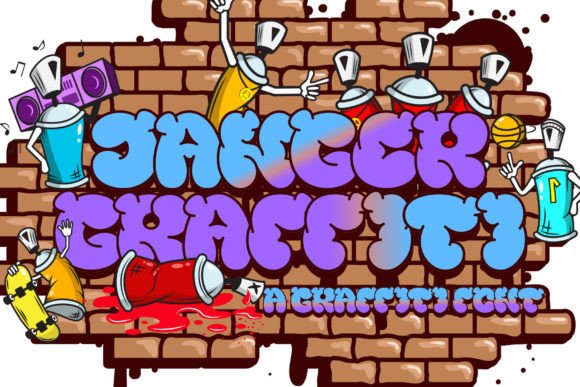
Danger Graffiti is characterized by its bold, chunky letterforms and a playful, hand-painted aesthetic. It doesn’t just mimic graffiti; it evokes its style with a sense of movement and attitude. This isn't a delicate script or a neutral sans serif font. It’s a display typeface built for impact, with exaggerated strokes and an irregular baseline that feels alive. The visual weight is substantial, making it perfect for headlines, logos, and any application where you need text to stand out from the noise. Its personality is confident and casual, instantly communicating a brand that is modern, approachable, and not afraid to break the mold.
From Concept to Concrete: Practical Applications
The true value of a creative font like Danger Graffiti lies in its application. Its bold nature makes it exceptionally effective where readability at a glance is paramount. Consider its use in logo design for a skate brand, a streetwear label, or a local music venue. The font’s inherent style does much of the branding work, creating immediate recognition and emotional connection. For packaging design, especially for products targeting a younger demographic—think energy drinks, snack foods, or indie cosmetics—this typeface can make shelf appeal skyrocket.
Beyond physical products, its utility in digital spaces is immense. Social media graphics thrive on attention-grabbing visuals. A quote card, a sale announcement, or a YouTube thumbnail set in Danger Graffiti will stop the scroll far more effectively than a standard corporate font. It translates seamlessly to web design for hero sections or call-to-action buttons, and can bring a cohesive, edgy feel to an entire blog about urban culture, music, or art. For editorial layouts in magazines or lookbooks, it can be used for pull quotes and section headers to add a layer of visual dynamism and modern typography.
Strategic Pairing and Professional Polish
While Danger Graffiti commands attention, using it effectively requires thoughtful design strategy. A common pitfall with any strong display font is overuse. The key is contrast and balance. Pair it with a clean, highly legible sans serif or serif font for body text. This creates a visual hierarchy where the headline font delivers the punch and the supporting font ensures the message is read comfortably. For instance, a poster using Danger Graffiti for the event name paired with a simple sans serif for the details looks professional and intentional.
Testing is non-negotiable. Always check how the font renders at the sizes you’ll use it. While it’s designed for impact, ensuring the letterforms don’t merge or become unclear at smaller scales is crucial for maintaining a professional presentation. Review the full character set—does it include the punctuation and special characters your project needs? Understanding the included styles (like bold, italic, or outline versions) can add versatility to your design assets, allowing for creative emphasis within the same typographic family.
Beyond Aesthetics: Building Brand Recognition
Typography is a cornerstone of brand identity. The font you choose communicates values before a single word is read. Danger Graffiti communicates creativity, youthfulness, and a connection to contemporary urban culture. For a small business or entrepreneur in the creative space, using this font consistently across marketing assets—from business cards and invoices to social media profiles and email headers—builds a cohesive and memorable brand world. It tells your audience exactly what kind of experience they can expect from you, fostering stronger brand recognition and loyalty.
It’s also a fantastic tool for merchandise. Designing t-shirts, hats, or posters with this typeface feels authentic because it’s rooted in a design language born on the streets. The font itself becomes part of the product’s appeal. For invitations to events like album launches, gallery openings, or pop-up shops, it sets the tone immediately, promising an event that’s anything but ordinary. This strategic use of a premium font elevates the perceived value of the final product, whether it’s a digital download or a printed piece.
Making the Informed Choice for Your Project
Before integrating any new typeface into your workflow, a few practical considerations ensure a smooth process. First, align the font’s personality with your project’s goals. Is the tone playful, serious, luxurious, or rebellious? Danger Graffiti leans toward the bold and casual. Second, always review the licensing. For commercial projects—selling merchandise, using it in client work, or embedding it in an app—a proper commercial license is mandatory. Reputable font providers are clear about usage rights, protecting both you and the font creator.
Finally, think about your entire typographic system. A strong brand identity uses a limited, well-chosen set of fonts. Danger Graffiti could be your standout headline font, supported by a neutral body font and perhaps a third, complementary style for accents. This approach ensures visual consistency across all touchpoints, making your brand look polished and established. It transforms a cool font from a one-time novelty into a sustainable component of your design toolkit.
Ultimately, a typeface like Danger Graffiti is a bridge. It connects the raw, expressive world of street art with the structured needs of commercial and creative design. It offers a shortcut to a specific aesthetic that might otherwise take hours to achieve with custom illustration. By applying it strategically, pairing it wisely, and understanding its strengths, you can harness its energy to create designs that are not only visually striking but also deeply resonant with your target audience. It’s about adding a tool to your kit that speaks a louder, more vibrant language.