Bring Joy to Every Design with the Wacky Font
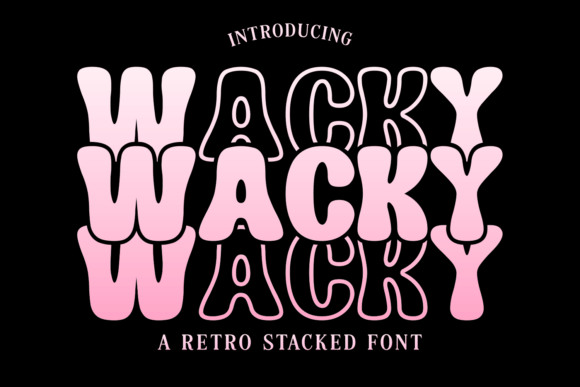
Every designer knows the feeling: you’re staring at a blank canvas, and the project needs a spark of personality. Something that feels human, energetic, and impossible to ignore. That’s exactly where a display typeface like Wacky shines. It’s not just a set of letters; it’s a visual mood. Its rounded, quirky forms and bouncy baseline immediately inject a sense of fun and approachability, making it a go-to tool for projects that need to connect on a human level.
Understanding the Visual Language of Wacky
What makes this particular display font work so well? It’s the balance between being eye-catching and remaining highly legible. Unlike overly ornate script fonts that can sacrifice readability for style, Wacky maintains clarity while still being distinctly playful. The letterforms have a hand-crafted, slightly irregular feel, which gives digital designs an organic touch. This quality makes it a versatile creative font for a wide range of applications, from a child’s birthday invitation to a bold social media campaign for a quirky brand. It’s a typeface that doesn’t take itself too seriously, which can be a powerful asset in a world full of stiff, corporate typography.
Practical Applications: Where to Use This Quirky Typeface
Knowing where a font like this excels is key to using it effectively. It’s not the right choice for long paragraphs of body text, but it’s perfect for making specific elements pop. Think of it as the exclamation point in your typographic toolkit.
- Brand Identity & Logo Design: For a business that wants to be seen as friendly, approachable, and innovative, Wacky can form the core of a memorable logo. It works exceptionally well for brands targeting families, creative communities, or anyone looking for a more relaxed vibe.
- Packaging & Product Labels: Imagine this font on a bag of artisanal popcorn, a craft beer label, or a children’s toy box. It instantly communicates that the product inside is fun and special, helping it stand out on a crowded shelf.
- Social Media Graphics: In a fast-scrolling feed, you have milliseconds to grab attention. Using Wacky for headlines, quotes, or call-to-action text on Instagram stories, Facebook ads, or Pinterest pins can significantly boost engagement. Its joyful character is inherently shareable.
- Digital Products & Marketing Assets: Whether it’s the title of an e-book, a header for a webinar slide, or a banner for a website sale, this premium font adds an instant visual hook. It helps create marketing materials that feel energetic and contemporary.
- Editorial & Blog Design: Bloggers and online publishers can use it for article headlines, pull quotes, or section dividers to break up text and inject personality into their layout, making the reading experience more dynamic.
Pairing and Practicality: Making Wacky Work for You
A font rarely works in isolation. The real skill in modern typography is creating harmonious pairings. Because Wacky has such a strong personality, it pairs best with a cleaner, more neutral companion. A classic sans serif font like Helvetica, Open Sans, or Lato provides a perfect counterbalance. Use Wacky for your main headline to draw the eye, and then use the sans serif for subheadings and body copy. This creates a clear visual hierarchy that guides the reader smoothly through your content without overwhelming them.
Before you commit, always test your font choices. Set your headline in Wacky and your body text in the chosen partner font at the actual size it will appear. Check the spacing, the contrast, and the overall readability. Does the headline still stand out? Is the body text comfortable to read for more than a few seconds? This simple test can save you from design headaches later.
From Concept to Final Design: Key Considerations
When you download a commercial font like this, you’re not just getting a single file. Most premium typefaces include different styles and weights. Explore what’s included—perhaps there’s a bold version for extra emphasis or a lighter weight for a more subtle effect. Using these variations allows for greater flexibility and sophistication in your designs.
Finally, always be mindful of licensing. If you’re using the font for a client’s logo, on merchandise for sale, or in a digital product you distribute, you need to ensure you have the appropriate commercial license. This isn’t just a legal formality; it’s about respecting the work of the type designer and ensuring your projects are built on a solid, professional foundation. The right font pairing and a clear understanding of its use will make this quirky typeface a reliable and joyful part of your design assets for years to come.