Bad Grunge: The Typeface That Defies Convention
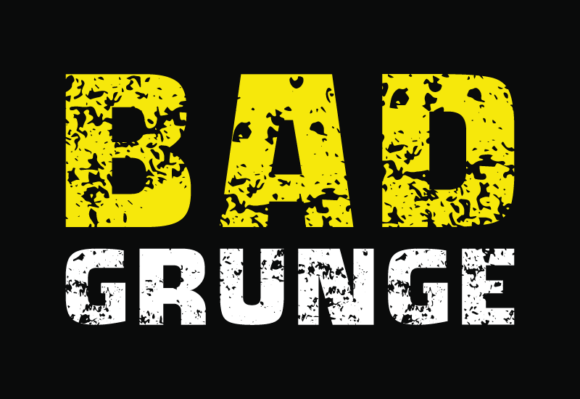
There's a moment in every creative project where you realize the safe choice won't cut it. You've tried the clean sans-serifs, the elegant serifs, maybe even a polished script font. But something's missing—a raw edge, a sense of urgency, a visual voice that doesn't whisper but shouts. That's where a display font like Bad Grunge enters the conversation. It's not just another typeface; it's a declaration. With its deliberately distressed texture and unapologetically bold lines, this premium font captures a spirit of rebellion that polished typography often smooths away. For designers, entrepreneurs, and creators who want their work to feel alive, textured, and impossible to ignore, understanding how to wield such a powerful design asset can transform a good project into a memorable one.
More Than Just Rough Edges: The Visual Language of Bad Grunge
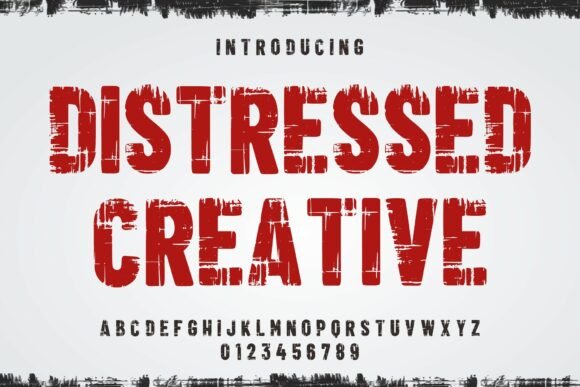
At first glance, you might categorize Bad Grunge simply as a "grungy font." But that overlooks its nuanced character. The distressed texture isn't random noise; it's carefully crafted to suggest wear, history, and authenticity. The bold letterforms maintain strong readability despite their rugged appearance, striking a crucial balance between raw aesthetic and functional design. This isn't a font that sacrifices clarity for style. Each character carries weight and presence, making it particularly effective for headlines, logos, and branding elements where you need immediate impact. When paired thoughtfully with cleaner body text—perhaps a neutral sans-serif or a classic serif font—it creates a dynamic visual hierarchy that guides the viewer's eye exactly where you want it.
Where Raw Typography Meets Real-World Application
Let's talk practical use. Where does a typeface like this actually work? The answer might surprise you with its range. Consider a craft brewery looking to establish a brand identity that feels artisanal and anti-corporate. Bad Grunge on packaging labels or tap handles instantly communicates authenticity and handcrafted quality. For a music festival poster, it captures the energy and rebellious spirit of live performance better than any polished geometric typeface could. Social media graphics for an edgy clothing line? This font becomes the visual equivalent of distressed denim or vintage band tees—it tells a story before the viewer even reads the words.
- Logo Design & Brand Identity: Creates immediate recognition for brands targeting audiences who value authenticity over perfection.
- Editorial Layouts & Magazine Spreads: Adds visual interest to feature headlines, especially for culture, music, or streetwear publications.
- Event Promotion: Perfect for concerts, underground art shows, or alternative culture events where the vibe needs to feel raw and energetic.
- Digital Products & Web Design: When used strategically for headers or accent text, it can give a website or digital product an unforgettable personality without compromising overall usability.
- Merchandise & Apparel: The distressed texture translates beautifully to screen printing, giving t-shirts, hats, and bags an instant vintage or punk-inspired feel.
The key is intentionality. You wouldn't set an entire novel in Bad Grunge, just as you wouldn't use a delicate script font for a construction company's logo. Understanding the font's personality—its rugged vigor and individualistic spirit—is the first step to deploying it effectively.
Strategic Pairings and Readability Considerations
One of the most practical skills in modern typography is font pairing. A display font like Bad Grunge rarely works alone. It needs a counterpart that provides balance and ensures your message remains clear. A classic approach is pairing it with a clean, highly legible sans-serif font for body text. The contrast between the textured, bold headlines and the smooth, neutral paragraphs creates a professional yet dynamic layout. For projects leaning into a vintage or eclectic vibe, you might experiment with a complementary serif font—something with enough character to hold its own but not so much that it competes for attention.
Always test your pairings in context. Does the combination work on a mobile screen as well as a printed poster? Readability is paramount, especially for marketing assets where conversion matters. Use Bad Grunge for short, impactful text—headlines, logos, call-to-action buttons—where its unique texture enhances rather than hinders comprehension. Avoid using it for long paragraphs or small body copy where its distressed details might become visually noisy at smaller sizes.
From Concept to Commercial Reality: Licensing and Execution
Before you fall in love with any creative font for a commercial project, practical considerations must come into play. Always review the licensing terms. Most premium fonts come with clear guidelines for commercial use, covering everything from logo design and merchandise to digital advertising and software embedding. Understanding these terms upfront prevents legal headaches down the road and ensures you're using the design asset ethically and legally. A font like Bad Grunge, often available with multiple weights or styles, offers versatility. Does it include a regular and a bold version? Are there alternates or additional glyphs that could enhance your design? Exploring the full package helps you maximize its potential.
Ultimately, choosing a typeface like Bad Grunge is a strategic decision. It's for projects that need to communicate courage, authenticity, and a break from the mundane. It's for brands that want to stand out in a crowded marketplace by embracing a visual language that feels real, textured, and human. When used with skill and intention, this isn't just a font—it's a tool for building connections with an audience that values substance over superficial polish. Let its bold, rebellious spirit inform your next design, and watch how it transforms your message from something seen into something felt.